
Knee Meniscal Tear Surgery on The Gold Coast
Dr David Agolley treats meniscus tears on the Gold Coast depending on tear type. Patients with locking, persistent pain, or displaced tears are more likely to need surgery, while small stable tears often respond to supervised rehab and physiotherapy. Call the Gold Coast clinic to arrange imaging and a surgical consultation.
What is a Meniscal Tear in the Knee?
The meniscus in the knee, are two C-shaped fibrocartilage structures that are positioned between the femur and the tibia. They act as shock absorbers, and help the round ball shape end of the femur, to articulate with more congruency with the tibia, essentially making the top of the tibia more socket shaped.
Due to the complex movements of the knee joint, combined with general wear and tear with life, the meniscus can be prone to injury, particularly with twisting while playing sport, and standing from a squatting position. Dr Agolley is a Knee surgeon on the Gold Coast who performs knee arthroscopy to repair meniscal tears.
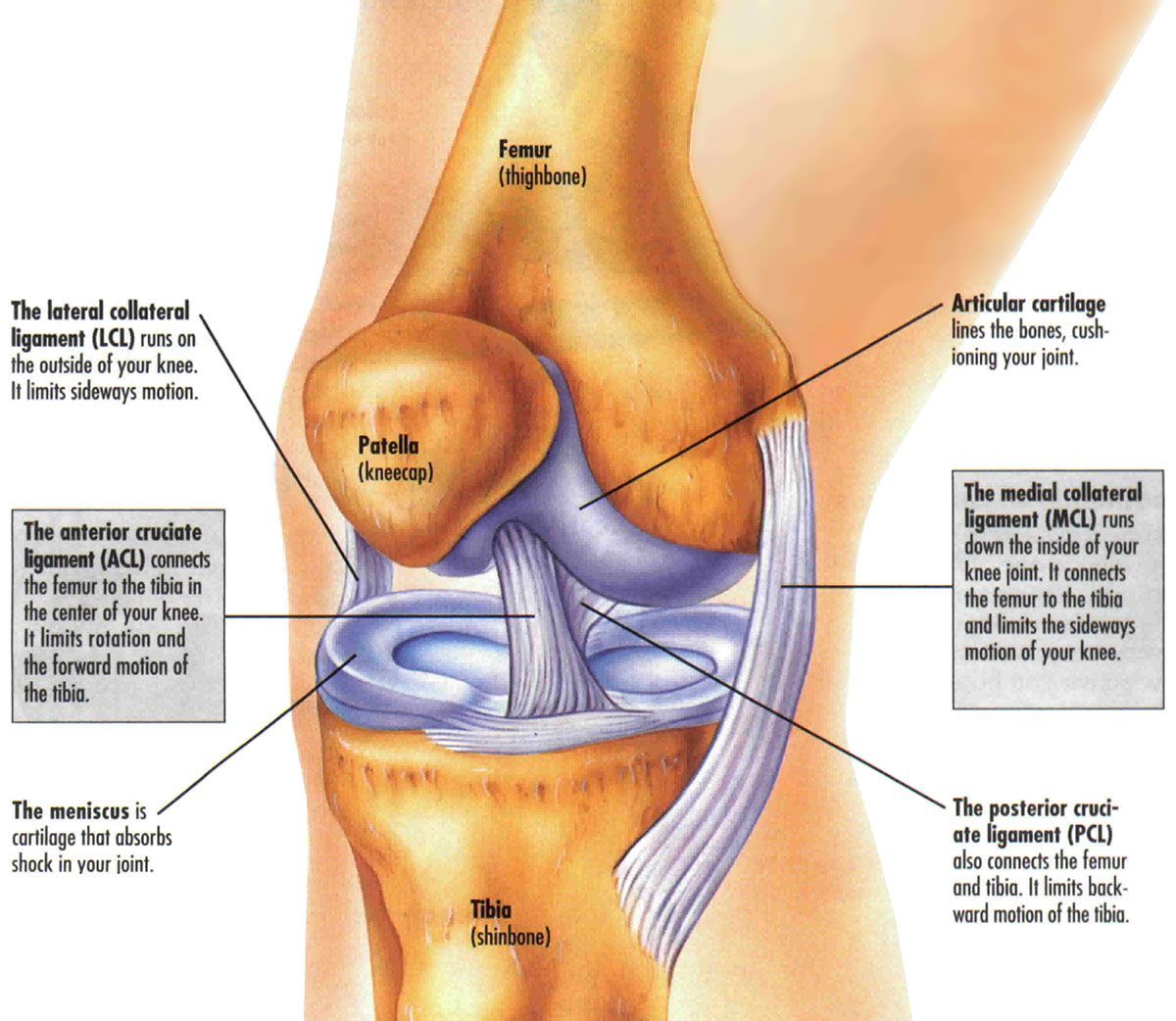
What are the symptoms of a Meniscal Tear in the Knee?
The meniscus that is injured determines which side of the knee pain is generally experienced. For medial (inside of the knee) meniscal injuries, the pain is experienced on the inside of the knee, and vice versa for the lateral meniscus. There may be associated catch, locking or clicking in your knee.
Walking and squatting aggravate the pain, and you may have difficulty running or climbing ladders/stairs.
What meniscus tear investigations will be required?
Plain x-rays are always essential to the initial assessment of knee injuries, and MRI scans are always helpful with the diagnosis.
Do I need meniscus tear surgery?
After non-surgical treatments and rehabilitation are exhausted such as physical therapy and regular pain relief, Dr Agolley will help guide you if surgery would be the best options for your symptoms.
When to try meniscus tear rehabiliation
Many small or stable meniscus tears can be managed successfully with structured physiotherapy and activity modification, especially if:
- The pain is mild to moderate and improves with rest and ice.
- There is no locking or catching of the knee.
- Swelling settles within a few days and daily function remains reasonable.
- The MRI shows a small, non‑displaced tear without major mechanical symptoms.
In these situations, a supervised rehab program focusing on strengthening, mobility, and gradual return to sport is usually recommended before considering surgery. Dr David Agolley can help you decide whether rehab‑first is the right approach for your specific tear and lifestyle.
Who should consider meniscus tear surgery?
If you relate to these situations you may be eligible for surgery:
- The knee repeatedly locks or catches, especially when walking or turning
- There is persistent pain and swelling that does not improve after 4–6 weeks of physio‑led rehab
- There is a clear mechanical block causing restricted movement
- Previous non‑surgical treatment has failed but you still need to return to sport or physically demanding work.
If you are unsure whether you need surgery, Dr David Agolley can review your MRI and symptoms and advise whether arthroscopic repair or meniscectomy is likely to give you the best long‑term outcome. Simply book a consultation to discuss your tear type, recovery timeline, and goals.
What procedures can address meniscus tears?
Knee arthroscopy is the main procedure Dr Agolley uses to treat meniscal injuries.
The options are trimming away the torn portion, or repairing the torn portion of meniscus. Dr Agolley will always attempt to preserve as much meniscus as possible, and to repair torn meniscus when it is likely to heal, as this preservation technique will help to minimise ongoing arthritis in your knee joint over time.
Knee Arthroscopy
Knee arthroscopy is ‘key hole’ surgery that Dr Agolley performs through very small incisions, for a multitude of knee pathology.
More Information
For more information, see the American Academy or Orthopaedic Surgeon website.